Native American Tumbler Wrap Design Review
A First Look at the Pattern
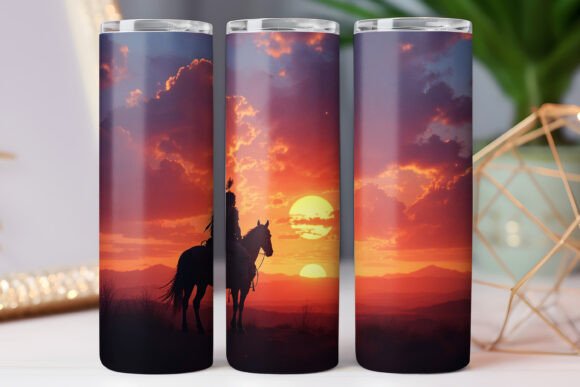
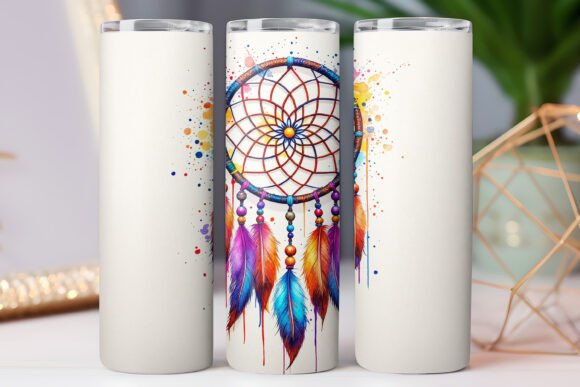
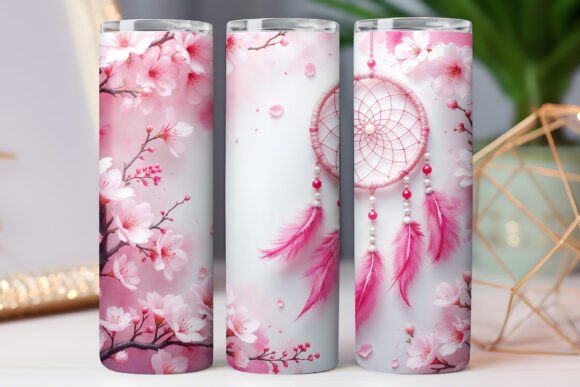
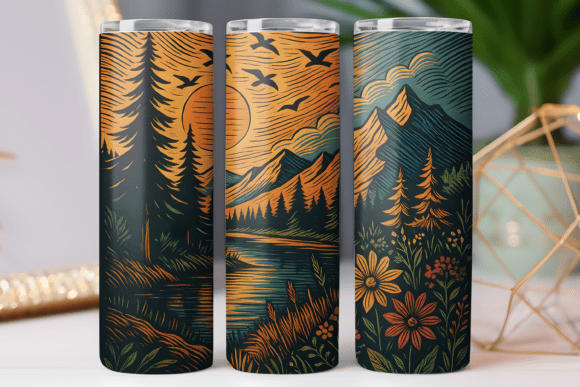
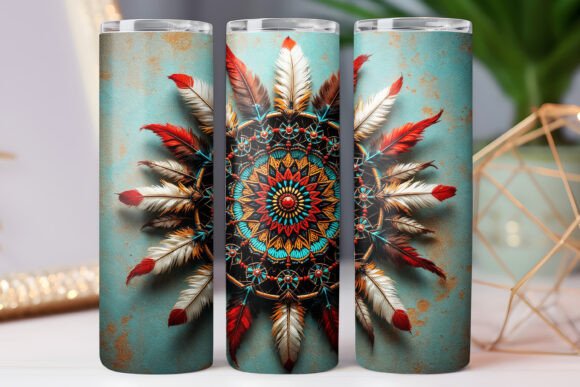
When I first opened the Pattern of Native American Tumbler Wrap, I was struck by its bold imagery and cultural resonance. The design feels grounded in tradition, with a clean layout that suggests it’s meant for sublimation rather than machine embroidery. While the description specifies this is a digital design for sublimation only and not an SVG, I found myself wondering how it might translate into a real-world embroidery project.
The visual personality of this design leans toward a rustic, earthy vibe. It has a sense of authenticity and respect for indigenous artistry. The layout is centered and symmetrical, which makes it feel intentional and balanced. This kind of composition is ideal for projects like embroidered patches or tote bags where clarity and focus are key.
Real-World Use: A Custom Embroidered Tote Bag
Let me imagine using this design on a custom embroidered tote bag. As a designer, I know that the success of any embroidery project hinges on how well the design interacts with fabric, thread, and stitching techniques. If I were to use the Pattern of Native American Tumbler Wrap on a tote bag, I’d start by testing it on scrap fabric to see how the details hold up under different stitch densities and thread colors.
This design could work well as an applique piece with satin stitches around the edges, giving it a finished look. However, since it's intended for sublimation, I'd need to consider whether the pattern can be adapted for embroidery through vector tracing or other methods. For now, I'd treat it more as a reference for inspiration or a printable mockup rather than a direct embroidery file.
If I wanted to use this as a machine embroidery design, I’d have to convert it into an SVG or another compatible format. But given that it's a PNG, I would advise checking if there are tools available to trace the image into a usable embroidery file. That said, the detail level in the original design may not translate perfectly without some manual adjustments.
Where This Design Shines
The Pattern of Native American Tumbler Wrap has a strong presence that works best on larger surfaces. It would make a great addition to custom apparel such as sweatshirts or t-shirts, especially when paired with a solid background. Its cultural significance also makes it a compelling choice for personalized gifts, holiday items, or boutique branding.
For craft business owners or Etsy sellers, this design could serve as a unique asset for handmade products like pillow covers, aprons, or decorative towels. It has enough detail to stand out but isn’t overly complex, making it suitable for both personal and commercial use—provided the licensing allows it.
I can see this design working particularly well on a handmade product with a natural fabric texture, such as linen or canvas. The contrast between the embossed elements and the fabric base would enhance the overall visual appeal. It would also add a professional touch to small shop merchandise or craft fair items.
Design Limitations and Considerations
While this design has a lot going for it, there are limitations to keep in mind. Since it's not an SVG, it won't be directly usable for machine embroidery without conversion. Also, the detail level may not be ideal for small hoop sizes or thin fabrics, where stitch density and visibility could become an issue.
For commercial embroidery, I’d recommend testing the design on a variety of fabric types and backgrounds to ensure it maintains its visual impact. Darker fabrics may require lighter thread colors for contrast, while stretchy materials would need proper stabilizer support to prevent distortion.
If you're considering using this design on curved surfaces like caps or hats, extra care should be taken with corner details and stitch placement. Small lettering or intricate patterns may not show up clearly after embroidery, so it’s worth reviewing those elements closely before committing to a final product.
Embroidery Designer Notes
Before diving into a project with the Pattern of Native American Tumbler Wrap, I’d suggest a few practical steps:
- Test on scrap fabric: See how the design looks when stitched with your preferred thread colors and stabilizer.
- Check thread color contrast: Ensure the chosen threads complement the fabric and highlight the design effectively.
- Review stitch density: Avoid overcrowding the design, especially in areas with fine details.
- Confirm hoop size: Make sure the design fits comfortably within your hoop to avoid stretching or distorting the fabric.
- Inspect small details: Look closely at the design to see if all elements will remain visible after stitching.
- Test in black and white: This helps identify potential issues with contrast or clarity.
- Compare light and dark backgrounds: The same design can look very different depending on the fabric color.
- Use proper stabilizer: Especially important for stretchy or thin fabrics to maintain shape and detail.
- Check licensing: Always confirm whether the design can be used for personal or commercial purposes before selling finished items or digital assets.
By taking these steps, you’ll ensure that the Pattern of Native American Tumbler Wrap translates well from digital to physical form, maintaining its visual integrity and emotional impact across different projects and audiences.